
Retail is changing fast. Many businesses want to reach customers in fresh ways without the high costs and long leases that come with traditional stores. One idea gaining real traction is the pop-up shop built from shipping containers. These small, portable spaces give entrepreneurs, artists, and even big brands a flexible way to sell, test ideas, and meet customers face-to-face without a major upfront commitment.
You’ll now see shipping container pop-up shops in major cities across the world. For small businesses, they’re an affordable way to get a physical presence. For larger brands, they’re a great tool for creating memorable, high-traffic experiences and building hype. As demand for low-cost retail space grows, more people are turning to shipping containers as a practical option. They’re strong, movable, and easy to adapt, which makes them a smart choice for brands that want impact without huge overhead.
This guide explores how storage container pop-up shops work, why they’re appealing, how to set one up, ways to customize it, what it can cost, and how to market it well. If you’re thinking about selling handmade goods, launching a seasonal collection, or promoting a lifestyle brand, a container pop-up shop could be a simple and creative way to get started.
Benefits of Pop-Up Shops in Shipping Containers
Affordability
One of the biggest advantages of using a shipping container for sale as a retail space is its cost-effectiveness. Traditional retail rentals can be prohibitively expensive, especially in prime locations. By contrast, a modified shipping container offers entrepreneurs a much more budget-friendly alternative.
-
Lower Rent and Overhead Costs: While a downtown boutique might cost thousands of dollars per month in rent alone, a container pop-up can operate at a fraction of the cost.
-
Reduced Utilities: Containers can be outfitted with energy-efficient systems, requiring less electricity and lowering monthly utility bills.
-
Minimal Maintenance: Built with heavy-duty Corten steel, containers are designed to withstand extreme weather and heavy use, which means maintenance is significantly less compared to a traditional building.
For small businesses or startups with limited budgets, this affordability allows them to focus more resources on inventory, branding, and marketing instead of being tied down by expensive rent.
Flexibility & Mobility
Unlike fixed retail stores, shipping container pop-up shops are mobile and versatile. Businesses can move them from one location to another based on demand.
-
Seasonal Opportunities: A surfwear brand might place its container near the beach during summer and then move it to a ski resort during winter with minimal hassle.
-
Events & Festivals: Entrepreneurs can participate in trade shows, food festivals, or local fairs without committing to a permanent structure.
-
Targeting Different Demographics: A brand can test new markets by moving their shop to different neighborhoods, cities, or even states to identify where their products resonate the most.
This kind of mobility ensures businesses are not locked into one customer base, giving them greater flexibility in reaching diverse audiences.
Sustainability & Eco-Friendliness
Reusing shipping containers for retail use is an eco-conscious choice. Instead of building new structures from scratch, businesses are reusing materials that already exist.
-
Waste Reduction: Every container used for retail prevents steel from going to waste.
-
Green Additions: Containers can be enhanced with solar panels, rainwater harvesting systems, and energy-efficient LED lighting, making them even more sustainable.
-
Customer Appeal: Today’s shoppers are environmentally conscious, and they’re more likely to support brands that adopt eco-friendly practices.
By turning storage containers into pop-up shops, businesses not only save money but also make a positive contribution to the environment.
Unique & Customizable Design
Shipping containers may start as plain steel boxes, but they can be transformed into eye-catching, branded retail experiences.
-
Customization Options: Glass doors, large display windows, creative paint jobs, exterior murals, lighting, and signage can make the shop stand out.
-
Functional Interiors: Containers can include shelving, racks, product displays, dressing rooms, and even small seating areas.
-
Open-Air Concepts: Many retailers use fold-out walls or rooftop decks to create an open, engaging space that feels larger than the container itself.
These customizable designs allow businesses to fully reflect their brand personality while creating a shopping experience that draws people in.
Fast Setup & Minimal Permits
Compared to traditional construction, pop-up shops in shipping containers are much quicker to set up.
-
Quick Turnaround: A container can be converted and be fully functional within just a few weeks, whereas a new retail building might take months.
-
Simpler Permits: Since containers are considered temporary structures in many jurisdictions, they often require fewer permits and regulatory approvals.
-
Low Disruption: Businesses can get up and running quickly without the noise, dust, and disruption of traditional construction.
For entrepreneurs eager to capitalize on a trend or seasonal opportunity, this speed is a huge advantage.
How to Set Up a Pop-Up Shop in a Shipping Container
Choose the Right Shipping Container
The first step is selecting the right container for sale based on your retail needs. Standard sizes include:
-
10-Foot Containers: Compact and ideal for small product displays, food kiosks, or mobile coffee shops.
-
20-Foot Containers: The most popular option for retail use, offering a balance between space and portability.
-
40-Foot Containers: Best for businesses that require more display room or wish to create a hybrid retail-café experience.
When choosing, consider:
-
The type of products you’ll sell
-
Expected customer traffic
-
Available budget
-
Location size restrictions
Modify and Customize
Once you’ve acquired your shipping container, the next step is modification and customization.
Some essential modifications include:
-
Windows & Doors: Add glass panels, rolling doors, or French-style entrances.
-
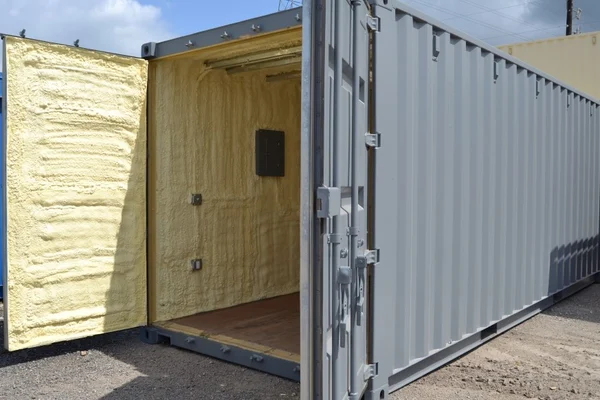
Insulation & HVAC: Ensure the space is comfortable for customers year-round.
-
Lighting: Install energy-efficient lighting to highlight products and enhance ambiance.
-
Interior Fixtures: Shelving, racks, counters, and displays tailored to your product type.
-
Branding & Aesthetics: Use logos, graphics, and custom paint to stand out and reinforce brand identity.
-
Safety Features: Fire alarms, security locks, and ventilation systems for compliance and customer safety.
Many businesses hire professional container modification companies to handle these upgrades, ensuring both safety and creativity.
Find a Strategic Location
The success of any pop-up shop depends heavily on its location.
-
High-Traffic Areas: Shopping districts, college campuses, or busy pedestrian zones.
-
Event Venues: Music festivals, food truck parks, trade shows, and markets.
-
Tourist Spots: Locations that attract steady footfall throughout the year.
-
Collaborations: Partner with malls or property owners who want to add unique attractions to their spaces.
A good location increases visibility, boosts impulse purchases, and helps the business attract new customers who might not find it otherwise.
Obtain Permits and Approvals
Although container shops require fewer permits than permanent stores, it’s still important to comply with local regulations.
-
Zoning Laws: Ensure your container shop is permitted in the chosen area.
-
Business License: Register your business legally before opening.
-
Health & Safety Codes: Especially critical for food or beverage businesses.
-
Event Approvals: If participating in a festival, organizers usually assist with permits.
Doing this legwork upfront avoids potential fines or shutdowns later.
Market Your Pop-Up Shop
Even the most beautifully designed pop-up shop won’t succeed without marketing.
-
Social Media Campaigns: Announce your pop-up shop launch, share behind-the-scenes content, and create countdowns.
-
Exclusive Deals: Offer limited-edition products, discounts, or freebies to encourage visitors.
-
Influencer Partnerships: Collaborate with local influencers who can spread the word.
-
Interactive Experiences: Live demos, workshops, or meet-and-greets create buzz.
-
Local Listings: Make sure your pop-up is listed on event calendars, Google Maps, and local directories.
A well-marketed pop-up not only drives sales but also builds long-term brand awareness.
Cost Considerations
The cost of setting up a shipping container pop-up shop varies depending on several factors:
-
Container Purchase: Prices range from $2,000–$6,000 for used containers and $5,000–$10,000 for new ones.
-
Modifications & Customization: Basic modifications might cost $5,000–$10,000, while more elaborate designs can exceed $30,000.
-
Transport & Setup: Moving and installing the container can cost anywhere from $500 to $3,000, depending on distance and logistics.
-
Permits & Licenses: These vary by city but usually cost less than those for permanent retail spaces.
-
Operational Costs: Electricity, staffing, and inventory expenses still apply but are generally lower than traditional retail.
Overall, businesses can launch a container shop with significantly lower upfront investment compared to a permanent storefront.
Conclusion
Pop-up shops built from shipping containers aren’t just a fad. They reflect how retail is adapting to be more flexible and customer-focused. These small but smart spaces give business owners a practical way to take their products straight to where customers are, without the high costs of a permanent store.
With reasonably priced containers, fast setup, and lots of ways to customize the space, it’s possible to create a shop that feels unique and memorable. You don’t need a huge budget or a long lease. Whether you’re a startup trying out a new idea, an artist wanting a physical space to display your work, or a growing brand looking to generate excitement, a container pop-up can make a lot of sense.
Retail today rewards brands that can move quickly, keep costs under control, and stand out. A container pop-up shop checks all those boxes. For many entrepreneurs, it’s a practical and creative way to step into physical retail without taking on unnecessary risk.
Contact us today to explore shipping containers for sale and discover how you can launch your very own pop-up shop.